





Nollywood 2025: The Patterns We Can’t Ignore
In 2025, I watched fewer Nollywood films than I have in years, not out of disinterest, but because there simply wasn’t much to see. After a shaky 2024, I hoped 2025 would be a corrective year. Instead, it was worse.
There were too many films that made absolutely no sense, films that were frustrating because they genuinely could have been good, films that felt unnecessary and directionless , films that failed simply because they were completely miscast. I could go on and on.
Of course I appreciate all the hard work and resources that definitely went into the films produced this year but this year confirmed something uncomfortable: potential is no longer Nollywood’s problem. Execution is.
Here are 12 Trends 2025 revealed & what 2026 must deliver:
- Acting Carried Films That Writing Could Not
In many cases, strong acting convinced audiences to overlook weak scripts, incoherent plotting, and poor character logic.
This should tell us something. Actor role fit must become non-negotiable. So should the connection between characters.
Auditioning and casting, as currently practiced in Nollywood, are deeply flawed. Actors are cast simply because they are popular, even when they cannot act to save their own lives. In 2026, prioritizing real talent and connection between characters should be key. You know the kind of chemistry between characters that sparks rumours of real-life dating or friendship? That’s what we want to see!
2. The Biggest Storytelling Gap: Research
Nollywood continues to underestimate research.
More research would lead to stories that are:
- more intelligent
- more coherent
- more emotionally grounded
- more believable
Instead, we often get surface-level narratives that crumble under scrutiny. Good intentions cannot replace intellectual rigor. As a writer or director, there are some storytelling errors that should never be repeated in this day and age. Research concepts, terms, initiatives, careers, and contexts thoroughly because you are writing for an intelligent audience.
AI is already in the room. In 2026, Nollywood must learn to use it as a support system, not as a shortcut to generate shallow scripts or even generic AI-generated visuals. When used intentionally, AI can strengthen research, story logic, and character development. When abused, it only amplifies mediocrity.
It is also okay, and necessary, to study other industries. Watch how they interpret emotion, tension, character arcs, and pacing. As we move into 2026, Nollywood filmmakers must be more intentional. There is simply too much material available for the same avoidable mistakes to keep repeating themselves.
3. The “Strong Opening, Total Collapse” Syndrome
A recurring pattern this year:
- First 10 minutes: promising
- 20 minutes in: cracks appear
- Final act: complete mess
This pattern appeared so often that it was like a curse. The issue is not a lack of ideas. It is simply the prevalence of weak story structures. Many films are written to hook audiences, not to sustain them. By the time the story reaches its final act, everything scatters.
In 2026, this must change. Filmmakers need to treat story structure with the same seriousness as marketing. Second and third acts need as much attention. Endings must feel intentional, earned, and emotionally honest. A strong beginning means nothing if the story cannot hold itself together to the end.
4. YouTube Is No Longer the Alternative. It Is Part of the Industry
In 2025, everyone moved to YouTube. Even filmmakers who were once sceptical fully embraced it. And honestly, YouTube carried us this year. It gave us things to watch, kept us entertained, and introduced us to new directors, new actors, and new voices that might never have broken through otherwise.
That said, anyone who watches YouTube films regularly also knows the other side. Many of the stories are painful to watch. While YouTube films should not be held to the exact same standards as cinema releases or streaming platform features(I know I don’t hold them to the same standards), the platform should not become a dumping ground for intellectually deficient projects.
In 2026, there is room to do much more. YouTube can remain accessible while still committing to stronger storytelling, clearer structure, and more intentional creative choices.
5. Audience vs Movie Reviews Divide Has Never Been Wider
Everyone experiences films differently. Most times, audiences and critics are broadly aligned, whether a film is genuinely great like Breath of Life or widely disappointing like Water & Garri. In 2025, however, that gap widened significantly.
With projects like Finding Me, To Kill a Monkey, and Ajosepo for example (loved by the audience but not so much by movie reviewers), the pattern was consistent: Popular directors, visually appealing productions, heavy pre-release hype, and strong premises, undermined by weak storytelling. Both groups matter in the ecosystem. But as a filmmaker in 2026, block me — as many already do — and every other reviewer if you must. Just know this: meaningful progress, only comes from engaging with critical feedback, not just blind fan loyalty. That is how films & filmmakers get better.
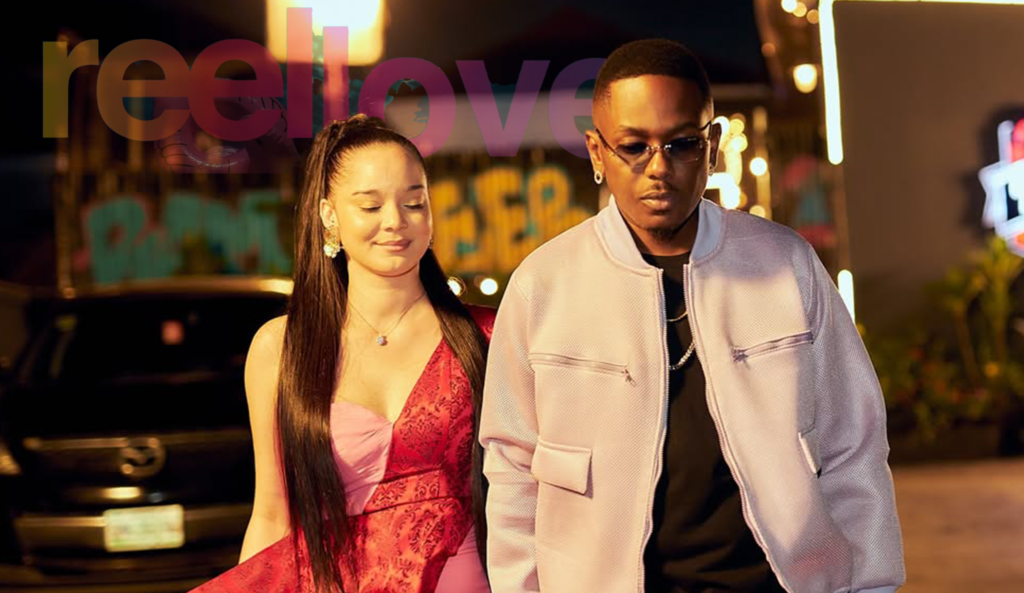
Click to read the review of Reel Love.
6. Marketing & Media Runs
Dancing challenges, skits, and branded T-shirts remain Nollywood’s most dominant, and effective marketing tools, even though they leave much to be desired. What was noticeable this year was the contradiction: filmmakers mocked these tactics, some even made content mocking these tactics, yet relied on them anyway.
In contrast, films like Red Circle and My Father’s Shadow stood out for more thoughtful, nuanced media runs that centered the story, the actors, and the creative process.
In 2026, it would be refreshing to see more intentional, intelligent media engagements. Ones that deepen audience connection rather than just chase visibility.
7. Distributors Must Share Responsibility
Distribution companies also have a role to play in quality control, even if I cannot fully prove the extent of their influence. What is clear, however, is that the choices they make, including what they acquire, how they position films, and the kinds of projects they consistently push year after year, inevitably shape industry standards, creative patterns, and audience expectations.
When a distributor like FilmOne consistently pushes certain types of films, it sends a clear signal to creators. It suggests what the market is willing to buy, what audiences are expected to watch, and what kinds of stories are most likely to be rewarded. Naturally, filmmakers respond by trying to replicate those patterns.
In Nollywood, box office success and good storytelling often operate as if they are mutually exclusive. Many of the highest-grossing cinema releases that later arrived on streaming platforms in 2025 are films we would NEVER EVER advise young filmmakers to emulate. At best, they serve as cautionary examples of how not to tell a story.
In 2026, distributors need to take more responsibility for the standards they help normalize, not just the numbers they help generate.
8.The Rise of Streaming Platforms
In 2025, Nollywood saw an expansion in streaming platforms. Beyond the familiar Netflix and Amazon Prime Video, and Circuits TV in December 2024, newer platforms like Kava TV and Ebony On+ entered the space this year.
While this growing number of platforms raises valid questions for audiences about affordability and how many subscriptions are sustainable, I genuinely believe that it also improves access. More platforms mean more entry points for Nollywood films and wider reach for audiences both within Nigeria and across the diaspora.
In 2026, however, these platforms must go beyond recycling old Nollywood titles that audiences already know and have outgrown. The priority should be intentional curation and investment in quality Nollywood films that can be enjoyed by Nigerians wherever they are in the world.
9. A Note to Actors & Actresses
I know this is not new but 2025 exposed this worrying pattern even more: some actors delivered one strong performance and then repeated the same role over and over. Typecasting is not safety, it is a prison. Once that box is locked, it becomes difficult for anyone to take you seriously in a different role.
Actors and actresses must actively push for versatility. Seek challenging scripts. Invest in training. Be honest about your own performances.
In the Nigerian context, range also means language. Learning to speak Yoruba, Hausa, and Igbo expands both credibility and opportunity. In 2026, refuse to be tied to one spot. Growth demands discomfort and intention.
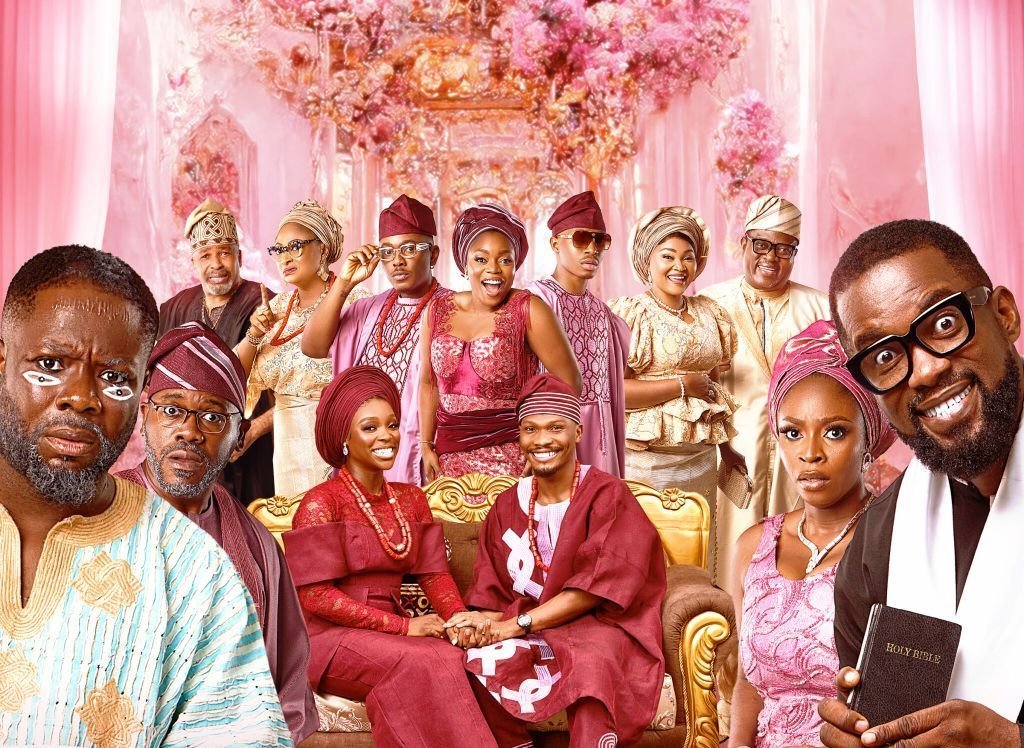
Click to read the review of Ajosepo.
10. Young Filmmakers: Hope, Potential, and the Need for Guidance
One of the bright spots of 2025 was young filmmakers. Short films and YouTube releases from emerging voices showed clarity, risk-taking, and genuine storytelling, and they gave me hope.
On the other hand, initiatives like The First Features Project, led by Steve Gukas and Dotun Olakunri, raised some concern. While the programme was designed to nurture and empower a new generation of filmmakers, the quality of the films declined as it progressed, highlighting a clear gap between opportunity and preparedness.
I hope young filmmakers do even more in 2026. But mentorship cannot be overemphasized. Access to resources alone is not enough; guidance matters just as much. Young filmmakers should actively seek support from industry seniors, not because they are popular, but because they consistently tell great stories. And I hope those seniors are willing to show up, teach, and invest in the next generation.
11. On Writers and Directors: Recycling Failure Is Not Loyalty
If you hire a plumber, a baker or a designer who does a poor job, you don’t recommend them to a friend or rehire them for another project.
So why does Nollywood repeatedly recycle writers and directors with poor track records?
There are still countless stories to tell but we cannot keep doing the same things and expect different results. It is time for new writers and directors to step into the light.
12. The Responsibility of Critics in a Culture of Access
In an era of influencing, content creation, and proximity to the industry, film criticism has become increasingly complicated. The desire to be part of the glitz, premieres, exclusive screenings, access to actors and filmmakers, has blurred the line between honest critique and performative praise. In some cases, personal friendships with filmmakers further complicate this dynamic, creating pressure to be gentler or less honest than the work deserves. As a result, too many mediocre films are loudly celebrated, not because they merit it, but because honesty feels inconvenient.
That said, the system itself shares the blame. In a healthier industry, critics would be invited to premieres, receive preview copies, and be part of conversations regardless of whether their reviews are flattering. Not everyone can afford to turn down gigs. For many, reviewing is also a livelihood.
In 2026, critics must remember that access should never come at the expense of integrity. With visibility comes responsibility to audiences, to the craft, and to the long-term growth of the industry. At the same time, Nollywood must learn to value film reviewers for their insight, not their silence, and stop expecting praise in exchange for access. Honest criticism is not hostility. It is how an industry matures.
Hoping for the best in 2026!
Read the review of The Herd here.
We have a fun and vibrant community on Instagram and Twitter, you can also join the conversation there or Subscribe to our YouTube Channel!